

Most people start off with creams and serums when they want better skin—and honestly, that makes sense. They’re easy to use and can help your skin feel softer, more hydrated, and a bit fresher.
But after a while, you might notice the results kind of… plateau.
According to a study published in 2017, over-the-counter skincare products mainly affect the skin’s surface and may not penetrate deeply enough to meaningfully improve firmness or tightness, whereas procedures like high-intensity focused ultrasound (HIFU) can target deeper layers of the skin.
HIFU works differently. It goes deeper into the skin and helps boost collagen—the stuff that actually keeps your skin looking firm and lifted.
So instead of just giving a temporary improvement, it works more from the inside out.
In simple terms:
- OTC products help you keep your skin in good condition,
- But HIFU is what people turn to when they want a more noticeable change.
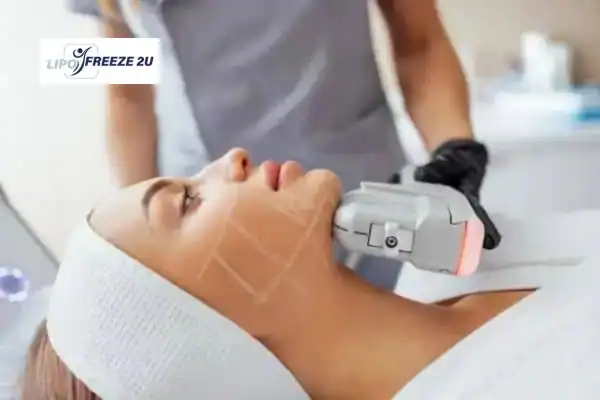
Why is HIFU Treatment so Popular?
There’s a reason so many people are talking about HIFU right now.
First off, there’s no surgery involved. No needles, no cuts, no long recovery time. You can literally have a session and get on with your day.
But what really makes people love it is how natural the results look.
You don’t walk out looking like a different person. Instead, over the next few weeks, your skin slowly starts to feel tighter, look fresher, and appear more lifted. It’s subtle—but noticeable.
Say Goodbye to Stubborn Fat with Aqualyx – The Ultimate Fat Dissolving Injection
People also turn to HIFU when creams just aren’t doing enough anymore—especially for areas like the jawline, cheeks, or loose skin. At Lipo Freeze 2U Walton-on-Thames, a lot of our clients say the same thing: they wanted something that actually works, without going down the surgical route.
How Many Times Can You Have HIFU Treatment?
One of the most common questions we hear is: “How often do I need HIFU?”
The good news is—you don’t need it frequently.
Most people only need one session every 6 to 12 months. That’s because HIFU works by stimulating collagen, and your body continues improving over time after the treatment.
However, this can vary depending on:
- Your age
- Skin condition
- Desired results
Some clients may benefit from a follow-up session after a few months, especially if they’re targeting more advanced skin laxity. At Lipo Freeze 2U Walton-on-Thames, we always tailor treatment plans to suit your individual goals, so you’re never over-treated.

Cost Comparison: Is HIFU Worth the Investment?
Although HIFU treatments may appear costly compared to purchasing skincare products, a clinical trial published by Adib and Liu found that HIFU devices like the More Young system are both safe and effective for improving facial skin, highlighting the value of professional non-surgical procedures.
Think about how much you spend on creams, serums, and treatments every month. Over a year, that can add up significantly, with limited long-term results.
HIFU is different. It’s an investment in longer-lasting skin improvement. Instead of continuously spending on products that offer temporary benefits, HIFU delivers deeper, more noticeable changes that can last months or even years.
So, is it worth it?
If you’re looking for real lifting, tightening, and visible anti-ageing results, most clients would say absolutely yes.
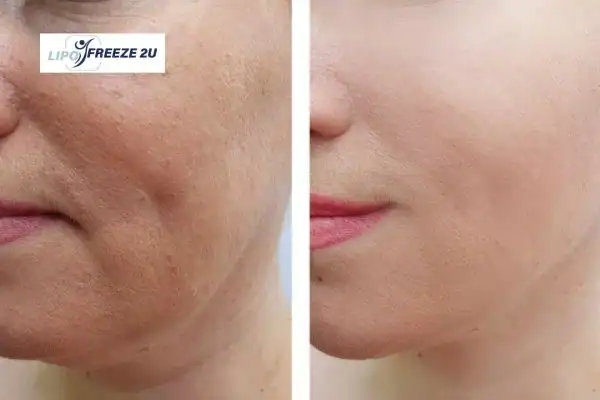
Can You Combine HIFU with OTC Skincare Products?
Yes. You actually can, and it’s a really good idea.
HIFU and your everyday skincare aren’t meant to replace each other. They work better together. HIFU does the deeper work, while your skincare helps keep everything looking good day to day.
After a HIFU treatment, your skin is already working to produce more collagen. That’s the perfect time to support it with the right products. Muscle weighs more than fat.
Simple things can make a difference—like using a good hydrating serum to keep your skin feeling fresh, and always wearing sunscreen to protect your skin. Even your regular anti-ageing creams can help maintain that overall smooth, healthy look.
At Lipo Freeze 2U Walton-on-Thames, we usually tell clients not to overcomplicate it. A solid treatment combined with a simple, consistent skincare routine at home is often all you need.
Why is HIFU Treatment Better Than Over-The-Counter Treatments?
It really gets to be about depth and what works.
OTC items remain on top of the surface. Even the priciest creams can only penetrate so deeply, limiting their capacity to effect meaningful change.
HIFU gets deeper, straight to the level where skin tightening really occurs. This allows it to:
- Lift sagging skin.
- Improve elasticity.
- Stimulate long-term collagen production.
One other big difference is the results. With OTC products, results are often gradual and need to be used consistently. With HIFU, the results build gradually and last far longer. HIFU vs LipoFreeze: Which Is Better for Skin Tightening Without Surgery?
That’s why so many people go to HIFU when they think skincare alone is not getting them the desired result.
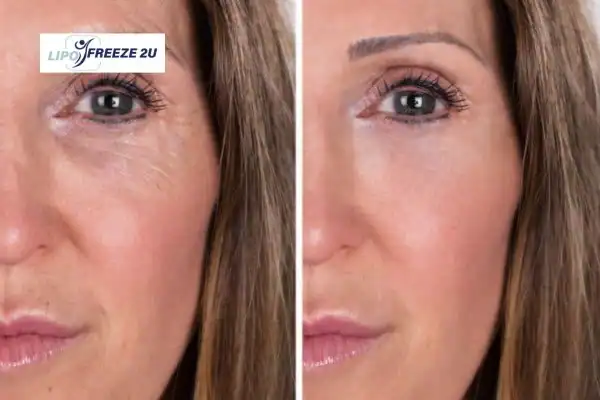
Frequently Asked Questions : HIFU Treatment vs Over-the-Counter Treatments
Q: Does HIFU work better than skincare?
In most cases, yes. Skincare is nice for an everyday routine, but HIFU Walton-on-Thames goes much deeper, so the results are often more visible and last longer.
Q: Is it okay to stop applying skincare after HIFU?
Not really. HIFU treatments improve your skin, but great skincare keeps those results looking their best.
Q: How long do HIFU results last?
It depends on individual factors, but for most individuals, results that last anywhere from 6 months to a year—or even longer—are the norm.
Q: Is HIFU safe?
Yes, so long as it’s done by someone who is trained and experienced, it’s considered a safe treatment.
Q: Are OTC products completely ineffective?
Of course. They’re still great for keeping your skin hydrated and healthy daily — they just won’t replace treatments like HIFU Walton-on-Thames.
Q: Does HIFU hurt?
However, you may experience some discomfort during the session — but it’s usually very tolerable and over pretty quickly.
Q: Who is the ideal candidate for HIFU Walton-on-Thames?
It’s perfectly suited for those who are beginning to see some looseness in their skin and are looking for a non-surgical alternative.
Q: Is HIFU suitable for younger people?
Yes, some people use it early on as a way to help maintain firmness and slow down visible ageing.
For Further Information, Please Call Us On 03300 105 225